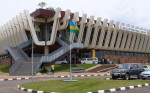
How Rwanda's New Roads & Infrastructure Projects Affect Property Values


How Rwanda's New Roads & Infrastructure Projects Affect Property Values
Rwanda infrastructure projects property values are rising across multiple zones as the government executes its most ambitious construction programme in decades. Diaspora investors, expats, NGOs, and local high-net-worth buyers all ask the same question: how do Rwanda infrastructure projects property values interact and which zones benefit most? Understanding these dynamics gives you a genuine competitive advantage. This is the complete Rwanda infrastructure projects property values guide produced by Kwanda Real Estate for 2026.
You will learn: which major infrastructure projects are underway, how each type of project affects nearby property prices, which suburbs benefit most, how to quantify the uplift, what risks to manage, and how to legally invest before the value peak.
All appreciation estimates in this guide are indicative figures based on Q1 2026 data and published government sources. Infrastructure timelines are subject to change. This is educational content — not financial or legal advice.
Rwanda's Major Infrastructure Projects: 2026 Overview
|
Project |
Location |
Timeline & Source |
Property Impact Area |
|
Bugesera International Airport |
Bugesera District |
Phase 1: targeted 2026 [Mininfra] |
Land near Juru significant appreciation reported [RDB] |
|
Kigali-Bugesera Expressway |
Kigali–Bugesera corridor |
2027 (estimated) [RTDA] |
Industrial and logistics plots along corridor [City of Kigali] |
|
Kigali Neighbourhood Roads (140km) |
City-wide |
2025–2026, phased [City of Kigali] |
Residential plots near upgraded junctions [NISR] |
|
Kigali BRT Phase 1 |
Gasabo/Nyarugenge corridors |
TBC — priority confirmed [Mininfra] |
Mid-market suburbs along BRT routes [Kigali Master Plan] |
|
Special Economic Zones (SEZs) |
Kigali & Huye |
Ongoing [RDB] |
Industrial land near SEZ access roads [RDB] |
Timeline estimates are based on Q1 2026 government announcements and may change. Always verify current status via Ministry of Infrastructure and RTDA publications.
Why Rwanda Infrastructure Projects Drive Property Values
Infrastructure investment creates value by reducing travel time, improving access to markets, and signalling future economic activity. When a road is confirmed, demand for nearby plots rises even before construction begins. When it completes, the full uplift materialises. The World Bank Rwanda report consistently identifies infrastructure as the primary driver of urban land appreciation in fast-growing African economies. The National Institute of Statistics of Rwanda (NISR) tracks urban population growth at approximately 4% annually creating structural housing demand that infrastructure investment amplifies.
Rwanda's National Strategy for Transformation (NST2) allocates significant capital to infrastructure annually. The Ministry of Infrastructure leads road, utilities, and transport programmes. The Rwanda Transport Development Agency (RTDA) executes national road projects. Understanding their published pipelines helps investors identify the next appreciation zones. Read our guide on how roads and utilities affect property value for a detailed property economics explanation.
Bugesera International Airport: The Biggest Land Value Driver
Bugesera International Airport is Rwanda's most significant infrastructure project in terms of Rwanda infrastructure projects property values impact. The airport developed through a public-private partnership with a total cost reported at approximately USD 1.3 billion is targeted at Phase 1 completion by 2026, though timelines are subject to updates. It sits in Bugesera District, southeast of Kigali. A dedicated expressway will link it to Kigali city centre in approximately 20 minutes. The Rwanda Development Board actively promotes investment in the Bugesera corridor.
Land prices near the airport zone have appreciated significantly since official announcements. Industrial plots, logistics hubs, hotel sites, and commercial land near Juru and surrounding areas have attracted strong investor interest. Diaspora buyers who secured land in this corridor before major announcements captured early appreciation. The African Development Bank cites airport-adjacent development as a key urban growth catalyst in East Africa. Read our guide on prime land plots for sale in Kigali for current investment-grade land opportunities.
What the Bugesera Expressway Adds
The Kigali-Bugesera Expressway targeted for 2027 will open the entire southeast corridor to development. Land along expressway corridors typically appreciates faster than land near standard roads because expressways attract logistics companies, warehouses, and industrial operators who need fast freight access. The Rwanda Housing Authority notes that expressway-adjacent zones in comparable East African markets have seen 20–35% land value uplift within two years of opening. Industrial land buyers should read our guide on understanding mixed-use developments in Kigali.
Kigali Neighbourhood Roads Programme: 140km of Upgrades
The City of Kigali is upgrading approximately 140km of neighbourhood roads under a phased programme starting 2025. The City of Kigali oversees the work under a cost-sharing model where residents and the city government share construction costs. Key junctions including Chez Lando and Kicukiro police post are priority upgrades. Completed road sections typically deliver 12–18% residential property value uplift in the immediate area. This directly benefits the Rwanda infrastructure projects property values equation for mid-market suburbs.
Gishushu, Kicukiro, and parts of Gasabo District benefit most from this programme. Road upgrades reduce commute times, improve drainage, and make properties more accessible for NGO and corporate tenants. Properties on previously unpaved roads can see step-change appreciation once tarmac arrives. Read our guide on why Kigali housing prices are rising for the full demand picture. Our Kigali urban growth and real estate opportunities guide maps the highest-growth corridors.
BRT and Public Transit: How Bus Rapid Transit Affects Kigali Suburbs
Kigali's Bus Rapid Transit (BRT) system is under development as a national infrastructure priority. While the full Phase 1 completion timeline is subject to government updates, the Ministry of Infrastructure has confirmed BRT as a priority project. BRT systems in comparable African cities Nairobi, Lagos, Cape Town have delivered 10–18% residential value uplift along confirmed corridors. Gasabo District suburbs including Kibagabaga, Kimironko, and the broader northeast corridor are expected to benefit from BRT connectivity.
The investment case for BRT-adjacent properties is strongest before route confirmation becomes public. Once BRT stations are mapped, prices typically adjust quickly. Investors tracking Rwanda infrastructure projects property values should monitor RTDA and Ministry of Infrastructure announcements closely. Read our Kigali master plan analysis for BRT corridor mapping. Our Kibagabaga emerging hotspot guide explains how BRT proximity affects that specific suburb.
Estimated Property Value Uplift by Infrastructure Type
|
Infrastructure Type |
Estimated Value Uplift & Source |
Key Notes |
|
New tarmac road to plot |
12–20% uplift (est.) [City of Kigali] |
Uplift occurs post-completion; verified in Kigali neighbourhood roads data |
|
BRT corridor within 500m |
10–18% uplift (est.) [World Bank] |
Based on comparable African city BRT projects (Nairobi, Cape Town) |
|
Airport within 20km (operational) |
20–35% uplift (est.) [AfDB] |
Strongest for industrial and logistics plots; Bugesera corridor data |
|
Special Economic Zone road access |
15–25% uplift (est.) [RDB] |
Commercial and industrial land primarily; SEZ investment data |
|
Utility connections (water, power, fibre) |
8–15% uplift (est.) [NISR] |
Applies to previously unserviced plots; NISR urban price index |
All uplift estimates are indicative ranges based on Q1 2026 data, published reports, and comparable East African infrastructure projects. Actual uplift varies by exact location, property type, and market conditions at time of completion.
The table above shows indicative uplift ranges. The highest uplifts go to industrial and logistics plots near airports and expressways. Residential plots see the strongest gains from BRT and neighbourhood road upgrades. Utility connections often overlooked add meaningful value to previously unserviced plots. Read our guide on what makes property value increase in Kigali for the full list of value drivers. Our guide on how to evaluate a property's worth explains how to factor infrastructure into your valuation.
How Infrastructure Affects Specific Kigali Suburbs
Gacuriro and Vision City
Gacuriro benefited significantly from road improvements linking it to the Nyarutarama corridor. Vision City apartments have appreciated alongside improved road access and BRT planning. Read our Is Vision City worth it? Complete 2026 guide for a full yield and appreciation analysis. Our Gacuriro vs Kicukiro comparison guide shows how infrastructure differentiates these neighbouring suburbs.
Kibagabaga and Gasabo Emerging Corridor
Kibagabaga sits in the Gasabo corridor earmarked for road upgrades and BRT investment. This directly affects Rwanda infrastructure projects property values in the area. Properties here are priced below Gacuriro and Nyarutarama giving investors an accessible entry point into an infrastructure-driven appreciation story. Read our Kibagabaga real estate emerging hotspot guide and our rental yield guide for all Kigali neighbourhoods.
Kicukiro and CBD-Adjacent Zones
Kicukiro benefits from the Kigali neighbourhood roads programme. The Kicukiro police junction upgrade reduces commute times meaningfully. This directly boosts residential rental demand from CBD workers. Read our best neighborhoods for expats in Kigali 2026 for a full suburb-by-suburb infrastructure impact assessment. The City of Kigali publishes annual infrastructure project updates.
Special Economic Zones: Industrial Land Investment
Rwanda's Special Economic Zones (SEZs) near Kigali and Huye attract companies seeking modern industrial facilities. Road access to SEZs directly lifts surrounding industrial and commercial land values. The Rwanda infrastructure projects property values effect is strongest for logistics, warehouse, and light manufacturing plots within 5–10km of SEZ access roads. The Rwanda Development Board offers investment incentives for SEZ-adjacent development. Read our guide on understanding the real estate sector in Rwanda for industrial market context.
Risks When Investing Near Infrastructure Projects
|
Risk |
Level |
What to Know |
|
Construction delays |
High |
Budget overruns and political changes affect timelines |
|
Expropriation near projects |
Medium |
Government compensates at assessed value — may be below market |
|
Flood risk near new roads |
Medium |
Drainage improvements lag behind road construction |
|
Oversupply post-completion |
Medium |
Rapid development can outpace tenant demand |
|
Speculative pricing before completion |
High |
Pre-announcement prices may already reflect gains |
|
Title disputes in peri-urban areas |
Medium |
Always verify via Irembo portal before committing |
Risk levels are indicative assessments based on historical project patterns in Rwanda and East Africa. Individual project risk varies. Always conduct independent due diligence.
The most common mistake is buying after prices have already reflected the infrastructure announcement. Speculative pricing where plots near confirmed projects already trade at post-completion levels removes most of the upside. Always verify whether a price already reflects the infrastructure premium before committing. Read our top mistakes to avoid when investing in Rwandan real estate and our 10 red flags guide for Rwanda property buyers.
Legal Framework for Investing Near Infrastructure Projects
Buying infrastructure-adjacent land in Rwanda follows the same legal process as all property purchases but with additional due diligence requirements. Expropriation risk is real near major projects. Rwanda's constitution guarantees fair compensation at market value but the assessed value used for compensation may differ from what you paid. Always verify whether any plot you are considering sits within a government-designated project zone before committing. The Rwanda Development Board publishes zoning and project zone maps.
Foreign nationals acquire 99-year leasehold titles fully transferable and mortgage-eligible. All purchases require title verification on the Irembo land portal. Read our complete guide on navigating Rwanda's real estate laws. Always engage a licensed notary read our guide on the role of a notary in Rwanda property transactions. Read our guide on why title deeds matter in Rwanda before any purchase.
Zoning and Land Use Rules Near Projects
Infrastructure projects can trigger zoning reclassification in adjacent areas. A plot zoned for residential use today may be reclassified for commercial or industrial use as the project develops. Read our land use and zoning laws in Rwanda guide to understand how zoning changes affect your investment. Our Kigali zoning series: R3 and R4 zones explains specific zone rules. Always check conditional land use permits before developing any plot near an infrastructure project.
How to Invest in Infrastructure-Adjacent Properties: Step by Step
• Step 1: Track published project announcements from RTDA, Ministry of Infrastructure, and City of Kigali
• Step 2: Identify zones before prices fully reflect the announcement premium
• Step 3: Verify plot zoning confirm it aligns with your intended use and check for expropriation risk zones
• Step 4: Verify title on the Irembo land portal confirm clean ownership and no encumbrances
• Step 5: Obtain RDB investment certificate (required for foreign buyers investing above USD 50,000)
• Step 6: Engage a licensed notary and complete the transfer through the One Stop Centre
• Step 7: Plan your exit set a target post-completion timeline (typically 2–5 years for peak appreciation)
Read our step-by-step guide to buying property in Kigali for full detail on each stage. Our property buying timeline from search to keys maps the typical 45–90 day transaction process. Diaspora buyers should read our guide for diaspora investing from abroad.
Tax Implications for Infrastructure-Adjacent Property Investors
Infrastructure upgrades can trigger property revaluation. A higher assessed value increases your annual property levy (0.1% of assessed value). Budget for this in your holding cost calculation. Rental income attracts 15% withholding tax. Capital gains on sale are taxed at 20%. Transfer duty on purchase is 5% of declared price. Read our comprehensive property taxes guide for Rwanda. The Rwanda Revenue Authority publishes all current rates.
Frequently Asked Questions: Rwanda Infrastructure Projects Property Values
Which infrastructure projects boost property values most in Rwanda?
Based on Q1 2026 data and published government sources, Bugesera International Airport has generated the most significant land appreciation in the Bugesera corridor. The Kigali neighbourhood roads programme (140km) is delivering 12–18% uplift near completed junctions. BRT corridor properties are expected to benefit once routes are confirmed and construction begins. For residential investors, neighbourhood road upgrades deliver the most reliable and measurable short-term uplift. Read our guide on how roads and utilities affect property value for the full analysis.
How much does Bugesera Airport lift nearby land prices?
Land prices in the Bugesera corridor near the airport zone have appreciated significantly since official project announcements. Comparable airport-adjacent developments in East Africa suggest 20–35% uplift for well-positioned plots once the airport is operational. Industrial and logistics plots typically outperform residential plots in airport corridors. These are indicative estimates actual appreciation depends on exact plot location, zoning, and market conditions at completion. Always verify current prices with a licensed valuation professional. Use our free property valuation service for specific assessments.
Can diaspora investors buy infrastructure-adjacent land in Rwanda?
Yes. Diaspora and foreign investors buy on 99-year leasehold titles fully transferable and mortgage-eligible. Investments above USD 50,000 require an investment certificate from the Rwanda Development Board. The entire process can be completed remotely via a notarised power of attorney. Read our guide for diaspora investing from abroad and our Rwanda real estate 101 guide for the diaspora for the complete remote-buying process.
What risks come with buying land near infrastructure projects?
The main risks are: construction delays (budgets and timelines frequently shift), expropriation of plots within project zones (compensated at assessed value, which may be below market), speculative pre-announcement pricing that already reflects gains, flood risk near new drainage works, and oversupply post-completion. Always verify whether a plot sits within a government expropriation zone before committing. Read our 10 red flags guide for Rwanda property buyers and our guide on avoiding real estate scams in Rwanda.
When do the major Kigali infrastructure projects complete?
Based on Q1 2026 government publications: the Kigali neighbourhood road junctions (including Chez Lando) are targeted for 2025–2026 completion. The Kigali-Bugesera Expressway is estimated for 2027. Bugesera International Airport Phase 1 targets 2026 though all timelines are subject to updates. The BRT Phase 1 timeline is confirmed as a national priority but a specific completion date had not been published as of Q1 2026. Always verify current timelines via the Ministry of Infrastructure and RTDA official publications.
How do taxes change after infrastructure upgrades?
Infrastructure upgrades can trigger upward property revaluation by the City of Kigali. A higher assessed value increases your annual property levy (0.1% of assessed value per year). This is generally a manageable cost relative to the appreciation gains. Capital gains tax of 20% applies when you sell plan your exit carefully. Read our comprehensive property taxes guide for Rwanda. The Rwanda Revenue Authority handles all property tax filings and publishes current rates.
Find Infrastructure-Adjacent Properties Before the Peak
For a free, no-obligation property valuation or investment consultation on infrastructure-adjacent land in Kigali, contact Kwanda Real Estate today.
[email protected] | +250 788 370 360 | kwandarealestate.com/contact
Request a Free Property Valuation | Browse Kigali Properties
Educational Note: This content is purely educational and does not constitute financial or legal advice. All appreciation estimates are indicative figures based on Q1 2026 data and published reports. Infrastructure timelines are subject to government updates. Always verify current project status and property values with licensed professionals before making investment decisions. Consult a qualified Rwandan notary for legal guidance