Gacuriro vs Kicukiro: Which Kigali Suburb is Right for You?

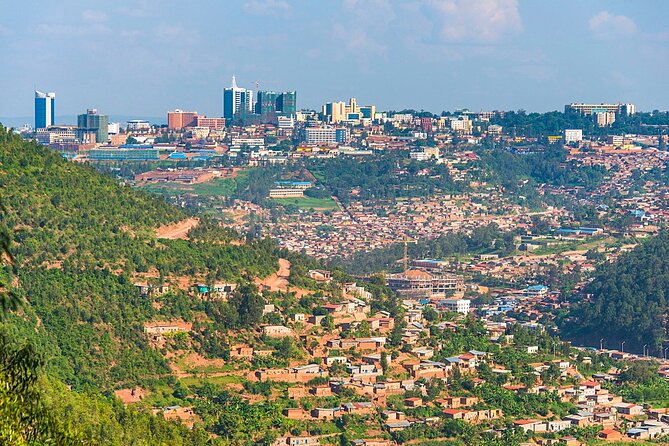
Gacuriro vs Kicukiro: Which Kigali Suburb is Right for You?
Gacuriro vs Kicukiro choices shape many property decisions in Kigali. Buyers often ask: which suburb fits my goals? This guide answers that question with verified 2026 data. It is the Gacuriro vs Kicukiro comparison you need before committing to any purchase. Produced by Kwanda Real Estate, this is the complete Gacuriro vs Kicukiro: Which Kigali Suburb is Right for You? guide for diaspora investors, expats, NGOs, and local buyers aged 30–75.
You will learn: location facts, property prices, zoning rules, rental yields, amenities, infrastructure plans, legal rules for foreign buyers, and a clear decision framework.
Gacuriro vs Kicukiro: Quick Comparison at a Glance
|
Category |
Gacuriro |
Kicukiro |
|
District |
Gasabo District |
Kicukiro District |
|
Population (est.) |
~25,000 |
~40,000 |
|
Land price (500 sqm) |
From RWF 150M |
From RWF 90M |
|
Average house price |
~RWF 450M |
~RWF 250M |
|
Rental yield (gross) |
6–8% |
9–11% |
|
Annual appreciation |
~12% |
~18% |
|
Typical tenant |
Expats, NGOs, diplomats |
Families, local professionals |
|
Zoning |
R2 / R3 residential |
R1 residential + commercial |
|
CBD commute |
~20 minutes |
~25 minutes |
|
Best for |
Luxury, stability, expats |
Growth, value, families |
All figures are based on Q1 2026 market data and may vary by property type, exact location, and market conditions.
Location Overview: Where Each Suburb Sits in Kigali
Gacuriro sits in Gasabo District. It borders Nyarutarama and Kinyinya. Kicukiro lies south-east of Kigali city centre. Both suburbs grow fast under the City of Kigali master plan. The Rwanda Development Board notes that urban expansion drives demand in both zones equally. Gacuriro offers green views and quieter streets. Kicukiro provides direct highway access and larger plot sizes.
Gacuriro covers approximately 12 square kilometres. Kicukiro spans a larger mixed-use area. Both fall within Kigali's designated residential growth corridors. Read our land use and zoning laws guide to understand how each district is classified. Our Kigali urban growth analysis places both suburbs among the top five appreciation zones in the city.
Demographics and Population Trends
Gacuriro attracts expats and executives. Its population reaches approximately 25,000. The median age sits at 32. The National Institute of Statistics of Rwanda (NISR) data shows a 15% foreigner residency rate in Gacuriro. Diaspora buyers target it for luxury real estate in Rwanda. Kicukiro houses around 40,000 residents, mostly families and middle-class locals, growing at 8% yearly.
The World Bank Rwanda report confirms Kigali's population grows at 4% annually — pushing demand in both suburbs. Gacuriro suits those who want a premium expat community. Kicukiro suits families who need space and affordability. See our guide on real estate trends in Kigali Rwanda for full demographic context.
Property Prices: Gacuriro vs Kicukiro Breakdown
Land in Gacuriro costs from RWF 150 million per 500 sqm plot. Houses average RWF 450 million. Apartments sell from RWF 35 million per unit. Kicukiro land starts at RWF 90 million. Homes sell for around RWF 250 million. Prices rose 12% in Gacuriro last year per NISR reports. Kicukiro saw 18% gains.
Use our property valuation service for precise current figures. Diaspora investors seeking best investment properties in Kigali for diaspora often compare both suburbs on yield versus stability. Read our guide on what makes property value increase in Kigali to understand the pricing drivers in each zone.
Zoning Regulations in Each Suburb
Gacuriro falls under R2 and R3 zoning under the Kigali zoning series. R2 allows villas up to 4 storeys. Kicukiro mixes R1 residential with commercial zones. Read our guide on what you can build in R1 and R2 zones before purchasing. The City of Kigali enforces zoning rules strictly. Always obtain conditional land use permits before developing any plot.
Amenities and Infrastructure: What Each Suburb Offers
Gacuriro boasts Green Hills Academy and MTN Arena nearby. Kicukiro has Kicukiro Market and multiple hospitals. Both connect via KG 5 Road. Infrastructure upgrades boost values in both zones, per the Ministry of Infrastructure. Read our guide on how roads and utilities affect property value to see how these upgrades translate into price growth.
Schools and Education Access
Gacuriro parents choose Lycée Français or Green Hills Academy. Travel takes under 10 minutes. Kicukiro families attend Groupe Scolaire Kicukiro and several public schools. The Rwanda Education Board lists 5 top schools in Gacuriro and 8 public options in Kicukiro. Diaspora families value quality education highly. See our best neighborhoods for expats in Kigali 2026 guide for a full school-proximity comparison. The living the good life in Kigali guide explains why international families consistently choose Gacuriro first.
Healthcare Facilities in Gacuriro and Kicukiro
Gacuriro residents reach King Faisal Hospital in 15 minutes. CHUK (University Teaching Hospital) serves Kicukiro well. Private clinics thrive in both suburbs. The Rwanda Biomedical Centre data shows good healthcare coverage across both zones. NGOs prefer Gacuriro for its proximity to premium private care. Health NGOs operating in Kigali consistently rank Gacuriro as their first housing choice for senior staff.
Transportation and Commute Times
A Gacuriro commute to the CBD takes around 20 minutes by car. Kicukiro needs 25 minutes via the N3 highway. BRT plans under the Kigali master plan will improve access to both. Gacuriro suits remote workers and those with flexible hours. Kicukiro fits daily commuters who want direct highway access. Read our Kigali urban growth and its impact on real estate for transit investment forecasts.
Safety and Security in Both Suburbs
Gacuriro reports low crime rates. Gated communities dominate the landscape. Kicukiro continues to improve with increased police presence. Rwanda National Police statistics show both suburbs rank among Kigali's safest residential zones. Expats and NGO staff favour Gacuriro's managed security. Read our guide on Rwanda's top gated communities to compare security levels across Kigali developments. The Rwanda Governance Board tracks community safety metrics across all districts.
Investment Potential and ROI: Gacuriro vs Kicukiro
|
Metric |
Gacuriro |
Kicukiro |
|
3-bed house monthly rent |
RWF 2,500,000 |
RWF 1,800,000 |
|
Gross rental yield |
6–8% |
9–11% |
|
Annual capital growth |
~12% |
~18% |
|
Typical buyer profile |
Luxury investor |
Growth investor |
|
Off-plan availability |
Limited |
Growing |
|
Vacancy rate |
Low (expat demand) |
Moderate |
Rental yield and appreciation figures are based on Q1 2026 market data. Actual returns depend on property condition, management, and tenant profile.
Gacuriro yields 6–8% gross rental returns. Capital growth hits approximately 12% annually. Kicukiro offers 9–11% yields with 18% appreciation. The World Bank Rwanda report confirms Rwanda's 7.5% GDP growth fuels property demand across both zones. For deeper yield modelling, read our guide on generating passive income from real estate in Rwanda.
Kicukiro's higher appreciation reflects faster supply absorption in a growing middle-class market. Gacuriro's stability reflects consistent expat and diplomatic demand. Both suburbs rank among the most profitable real estate opportunities in Kigali. Our land vs apartments guide helps you decide which asset type maximises returns in each suburb.
Rental Market Analysis
Gacuriro 3-bedroom houses rent for RWF 2,500,000 monthly. Kicukiro averages RWF 1,800,000. Demand surges from expats in Gacuriro and local families in Kicukiro. The NISR tracks stable rental growth across both zones. Diaspora investors seeking affordable apartments for rent in Kigali for rental income find Kicukiro offers stronger immediate cash flow. Read our buy vs rent financial comparison for a full cost analysis.
Commercial Opportunities in Each Suburb
Gacuriro hosts mixed-use developments in Kigali and office spaces renting at RWF 25,000 per sqm. Kicukiro eyes industrial land and warehouse development. The Rwanda Development Board promotes commercial growth in both zones. Explore our guide on industrial real estate in Rwanda if you are evaluating commercial or mixed-use investments.
Legal Considerations for Foreign Buyers in Both Suburbs
Foreigners buy property in Rwanda on 99-year leasehold titles — not freehold. This applies equally in Gacuriro and Kicukiro. The leasehold is fully transferable and mortgage-eligible. Read our guide on why Rwanda's leasehold system is more secure than you think. All foreign purchases require an investment certificate from the Rwanda Development Board. The RDB foreign investment guide details every step of the registration and approval process for non-residents.
Always verify titles on the Irembo land portal before committing. Engage a licensed notary for your property transaction. Read our complete guide on navigating Rwanda's real estate laws and our step-by-step property buying guide for Kigali. For diaspora buyers, the entire process can be completed remotely via a notarised power of attorney.
Financing Options for Diaspora and Local Investors
BRD (Business Development Bank of Rwanda) offers mortgages at approximately 11%. Diaspora remittances fund many purchases directly. RSSB schemes assist eligible civil servants. The National Bank of Rwanda sets benchmark lending rates. Read our Rwanda real estate 101 guide for the diaspora for a full financing overview. Our guide on how diaspora can invest in Rwanda's property market maps every step from remittance to title deed.
Tax Implications: What Buyers in Both Suburbs Pay
Tax obligations apply equally in Gacuriro and Kicukiro. Capital gains tax on property sale is 20%. Rental income attracts 15% withholding tax. Annual property levy is 0.1% of assessed value. Transfer duty on purchase is 5% of declared price. Stamp duty is 1% at registration. Read our comprehensive property taxes guide for Rwanda for a full breakdown. The Rwanda Revenue Authority enforces all tax obligations transparently.
Risks and Challenges in Each Suburb
Gacuriro's main challenge is high entry prices. Not every buyer can access RWF 150M+ plots. Kicukiro deals with traffic congestion on peak commute routes. Some lower-lying plots in both suburbs carry flood risk during heavy rains. Always inspect the specific plot location carefully. Our 10 red flags to watch for when buying property in Rwanda guide lists the most common due diligence failures. Read our top mistakes to avoid when investing in Rwandan real estate before committing to either suburb.
These risks are manageable with proper due diligence. Engage a trusted real estate agent in Kigali who knows both suburbs. Our guide on avoiding real estate scams in Rwanda adds further protection for first-time buyers and diaspora investors alike.
Future Development Plans: Kigali Master Plan 2050 Impact
The Kigali Master Plan 2050 upgrades both suburbs significantly. Gacuriro gets green corridors and upgraded drainage. Kicukiro expands with new housing zones and commercial hubs. The City of Kigali allocates budget for both areas in the 2026–2030 cycle. Track developments via our Kigali urban growth and real estate impact guide. The African Development Bank predicts continued economic stability supporting property markets through 2030.
Market forecasts suggest Gacuriro will grow at approximately 10% yearly through 2030. Kicukiro may hit 15% as middle-class demand accelerates. Read our 2025 real estate trends to watch in Rwanda for the full macroeconomic picture. Our guide on why Kigali housing prices are rising explains the structural drivers behind both suburbs' appreciation.
Gacuriro vs Kicukiro: Final Decision Framework
|
Your Priority |
Gacuriro |
Kicukiro |
|
Budget under RWF 300M |
✖ |
✓ |
|
Expat / diplomatic tenant |
✓ |
✖ |
|
Family with children |
✓ (schools) |
✓ (space) |
|
Maximum rental yield |
✖ |
✓ |
|
Maximum capital growth |
✖ |
✓ |
|
Premium gated living |
✓ |
✖ |
|
NGO or corporate housing |
✓ |
✖ |
|
First-time buyer |
✖ |
✓ |
|
Long-term luxury hold |
✓ |
✖ |
|
Off-plan investment |
✖ |
✓ |
The Gacuriro vs Kicukiro decision ultimately comes down to your goals. Choose Gacuriro for luxury, stability, and expat-grade amenities. Choose Kicukiro for higher yields, faster capital growth, and affordable entry. Both suburbs offer strong long-term fundamentals. Read our property buying timeline guide to map your next steps. Use our 5 questions every buyer should ask before purchasing as a pre-purchase checklist.
Frequently Asked Questions: Gacuriro vs Kicukiro
What makes Gacuriro more expensive than Kicukiro?
Proximity to international schools, the CBD, and premium amenities drives Gacuriro prices higher. Luxury demand from expats and diplomats adds a further premium. The City of Kigali data confirms approximately a 40% price gap between the two suburbs. Gacuriro's R2/R3 zoning restricts high-density development, which keeps supply tight and prices elevated. Read our guide on what makes property value increase in Kigali for a full breakdown of pricing drivers.
Can foreigners buy property in Gacuriro or Kicukiro?
Yes. Foreign nationals can buy in both suburbs on 99-year leasehold titles. The process requires an investment certificate from the Rwanda Development Board for investments above USD 50,000. Title verification via the Irembo portal is mandatory. Read our complete guide on navigating Rwanda's real estate laws for buyers and sellers. Our guide on how to buy property from abroad in Rwanda covers remote purchasing step by step.
Which suburb has better rental yields?
Kicukiro currently edges ahead with gross yields of 9–11%, compared to Gacuriro's 6–8%. However, Gacuriro delivers more stable occupancy due to consistent expat and NGO demand. The NISR rental survey supports these ranges. Always factor in vacancy rates and management costs when comparing net yields. Read our passive income guide for Rwanda real estate investors for full net-yield modelling across both suburbs.
How does the Kigali Master Plan affect Gacuriro and Kicukiro?
The Kigali Master Plan 2050 zones Gacuriro for higher-density residential growth with green corridors. Kicukiro receives new commercial hubs and expanded housing zones. Both benefit from BRT expansion and road upgrades. Read our full Kigali master plan analysis to understand how specific zones will be affected. The Ministry of Infrastructure publishes annual project updates for both corridors.
Which suburb is best for families: Gacuriro or Kicukiro?
Gacuriro wins on school quality and security. Kicukiro wins on space and affordability. Families with children in international schools overwhelmingly choose Gacuriro. Families seeking larger plots and lower costs often choose Kicukiro. UNICEF Rwanda ranks amenities high in both suburbs. Read our best neighborhoods for expats in Kigali 2026 guide for a family-focused location comparison.
Are there title deed issues in these areas?
Title deed issues are rare in both suburbs but always possible. Always verify ownership via the Irembo land portal before committing. Read our guide on why title deeds matter in property transactions. Our 10 red flags guide for Rwanda property buyers covers the most common title-related risks. Engage a licensed notary to conduct independent title verification before any payment.
Gacuriro or Kicukiro? Let Kwanda Real Estate Help You Decide
For a free, no-obligation property consultation or suburb shortlist, contact Kwanda Real Estate today.
[email protected] | +250 788 370 360 | kwandarealestate.com/contact
Request a Free Property Valuation | Browse Kigali Properties
Educational Note: This content is purely educational and does not constitute legal or financial advice. All figures are based on Q1 2026 market data and should be verified before any investment decision. Consult a qualified Rwandan notary or property professional.