Why Kigali Housing Prices Are Skyrocketing?

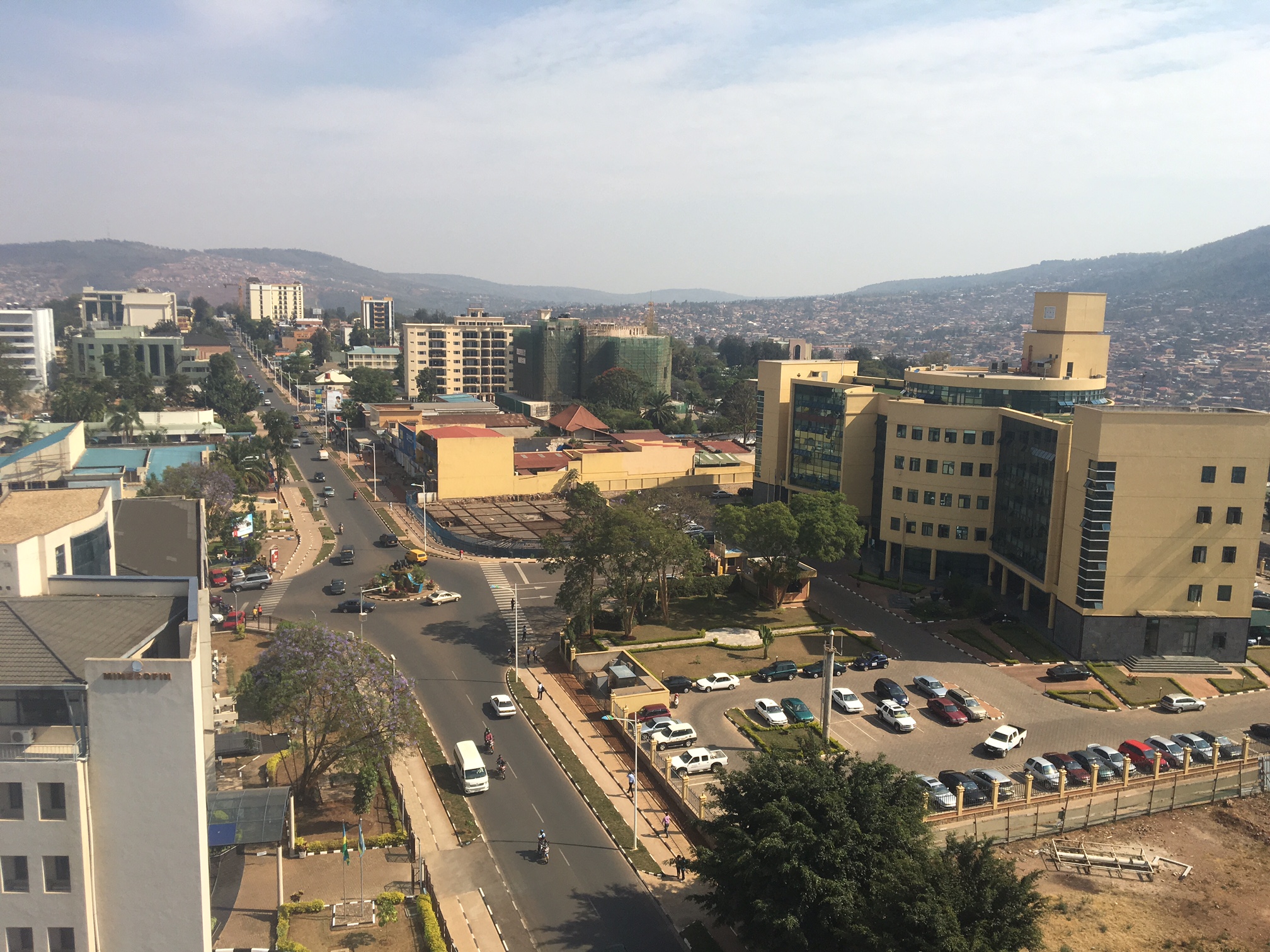
Kigali’s housing market has ballooned in recent years, making the dream of homeownership increasingly out of reach for many. What drives these relentless price hikes? From explosive population growth and acute land scarcity to soaring construction costs and expensive mortgages, several interlocking forces are at play. In this post, we unpack the main factors fueling high housing prices in Kigali.
Summary of Key Factors
1. A doubling of Kigali’s population in two decades has created a massive supply‑demand gap.
2. Heavy duties inflate the price of cement, steel, and other inputs by up to 58 percent.
3. Interest rates of 11–16 percent and 20–30 percent down‑payments limit borrowing power.
4. Permits, titling, and planning approvals add roughly 9 percent to project costs.
5. Investors compete for scarce units, while only 3 percent of annual demand is met by formal affordable housing projects.
1. Population Surge & Land Scarcity
Kigali’s population roughly doubled from about 840,000 in 2002 to 1.7 million today; making it one of the world’s fastest‑growing capitals. This boom translates into 373,000 additional households needing accommodation by 2032, or between 15,000 and 32,000 new homes per year. Yet only 3 percent of that demand is supplied by the formal affordable‑housing sector annually (Corporate NTU). With Rwanda being the continent’s second‑most densely populated country, available buildable land around Kigali is dwindling—and every precious plot commands a premium.
2. Construction Material Taxes & Import Costs
Rwanda imposes a 35 percent import duty on non‑East African Community (EAC) materials plus 18 percent VAT, resulting in a 58 percent markup over base costs (Corporate NTU). Even materials sourced within the EAC incur VAT. As a result, cement, steel, glass, and specialized equipment become prohibitively expensive. Local production of cement and bricks is growing but still falls short of demand, keeping prices elevated.
3. High Mortgage Rates & Down‑Payments
Accessing formal housing finance in Kigali is costly. Banks charge 11–16 percent interest on mortgages and commonly require 20–30 percent down‑payments. A middle‑income household today can typically qualify for only a RWF 4 to 10 million mortgage under these terms far below 20–40 million Rwandan francs price of a basic one‑bedroom unit (International Growth Centre). High financing costs thus push many buyers toward cash transactions or informal loans, further tightening demand for formally financed homes.
4. Regulatory Fees & Bureaucracy
Beyond import duties, developers shoulder numerous local fees planning permits, environmental assessments, project study that collectively add approximately 9 percent to a project’s total cost. These regulatory hurdles slow approvals and raise holding costs, which are ultimately passed on to homebuyers.
5. Speculative Demand & Limited Affordable Supply
With formal affordable housing meeting just 600 of the needed 18,000 units annually, private buyers and investors compete fiercely for every new development. This speculative pressure drives up sale and rental prices across all segments, squeezing out genuine low‑ and middle‑income purchasers.
Understanding these five drivers of rapid urban growth, land scarcity, exorbitant material and financing costs, bureaucratic fees, and speculative demand is essential for anyone navigating Kigali’s real estate market. As a trusted real estate agency in Rwanda, we combine deep local expertise with a high level of professionalism to deliver best services. Whether you’re buying, selling, or investing, let us guide you through this complex landscape with confidence. Contact us today to learn how we can secure your ideal property at the most value for money.
Photo by HomeRwanda