How Roads Utilities Affect Property Value

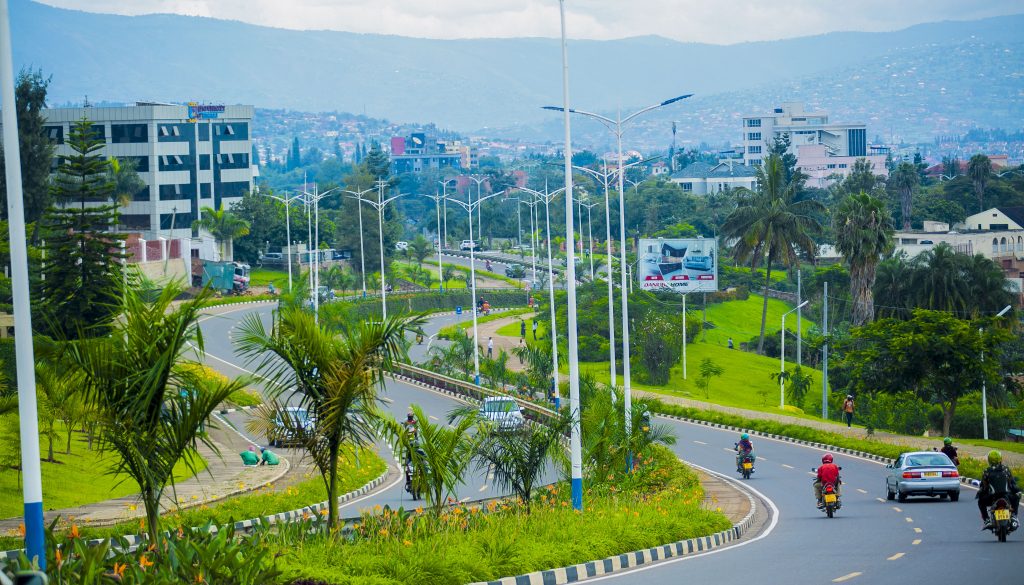
When investing in Rwanda's dynamic real estate market, understanding how infrastructure development impacts property values is crucial for maximizing your investment returns. Rwanda's commitment to infrastructure development has been unprecedented, with almost a tenth of Rwanda's annual budget committed to transport and other infrastructure for the past few years. This massive investment directly influences property values across the country, particularly in Kigali and emerging urban centers.
For property owners considering selling in Rwanda, infrastructure development represents one of the most significant factors affecting real estate valuations. The Real Estate market in Rwanda is projected to grow by 3.73% (2024-2029) resulting in a market volume of US$110.10bn in 2029, with infrastructure improvements being a primary driver of this growth.
This comprehensive guide examines how new roads, transit systems, and utilities impact property values when selling in Rwanda, helping you make informed decisions about timing your sale and pricing strategies.
How Road Infrastructure Affects Property Values in Rwanda?
Rwanda's focus on road infrastructure development has transformed the real estate landscape. Land transport is the main utilized mode of transport used in Rwanda through roads. Thus, the Ministry of Infrastructure is ensuring that the national road network is expanded, rehabilitated, upgraded, and maintained appropriately through the Rwanda Transport Development Agency.
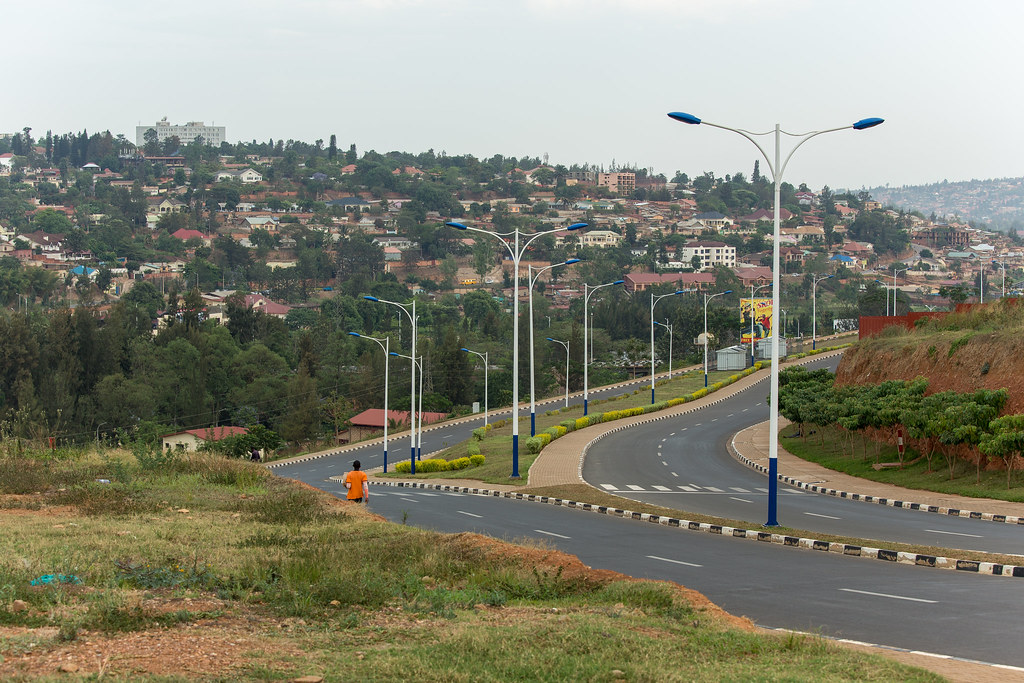
Infrastructure gains extend beyond Kigali. New road projects are opening up secondary hubs – for example, routes connecting Kigali to northern Musanze (a gorilla-tourism center) and the Masaka–Bugesera (new airport) highway are stimulating those markets. With each connectivity upgrade, households gain more location choices and businesses find new markets, pushing developers into formerly outlying areas. As one saying goes, better roads “shrink” Rwanda: buyers welcome more options and shorter commutes, and investors follow the trail, bidding up land ahead of construction. In practice, this means villages and farmland near new highways are rapidly transforming into residential or commercial zones, reflecting growing demand.
When selling in Rwanda, properties located near improved road networks consistently command higher values due to:
** Enhanced Accessibility: Better road connections reduce travel time to major business districts
** Increased Connectivity: Improved links to airports, schools, and healthcare facilities
** Economic Growth: Better roads attract businesses and commercial development
** Future Development Potential: Areas with good road access become prime locations for future projects
Commercial Centers and Amenities
Large shopping and office complexes likewise create real-estate hotspots. In Kigali’s CBD and suburbs, new mixed-use developments (e.g. Kigali Heights, Inzovu mall, etc) concentrate jobs, retail and dining in one spot. These become magnets: people prefer to live nearby to access convenience and jobs. Likewise, sports and entertainment projects anchor neighborhoods. For example, the Gahanga International Cricket Stadium (opened in 2017) has turned that sector of Kicukiro district into an investment focus. In fact, a recent report notes that 104 affordable homes are under construction in Gahanga under the Aheza Urban Village project, reflecting rising housing demand driven by the new sports complex. Whether it’s a modern mall or a bus-terminal upgrade (as planned for Nyabugogo), the effect is similar: local rents and land values increase as businesses and residents cluster around these amenities.
The bottom line is that new amenities raise neighborhood profiles. A concentration of offices, shops and leisure facilities creates jobs and foot traffic, which pushes up both rental yields and capital values. Buyers prize areas with retail, restaurants or stadiums at their doorstep, and investors bid up those locations in anticipation of growth.
Electricity, Water and Utilities
Modern utilities and services are a key backbone of urban real estate. Rwanda has massively expanded electricity and water networks, especially in cities. In fact, nearly 100% of Kigali households now have power (through grid or off-grid sources). This universal urban electrification enables new kinds of construction (high-rise apartments, commercial towers, street lighting, etc.) that simply weren’t feasible in the past. Similarly, upgraded waterworks and sewerage expand living standards. Neighborhoods once limited by boreholes or generators now support piped water and reliable grids. When a subdivision gets full municipal water and electricity, developers can safely build denser, higher-quality housing there, and buyers will pay more for those comforts.

In practice, these basic services quietly boost property values. Homes in well-served neighborhoods command a premium: families will pay extra for reliable lights, clean water, and good sanitation. For investors, knowing that power and water are assured means lower infrastructure risk and higher rents. Over time, cities with robust utilities see faster housing growth and value stability. In Rwanda’s cities, this investment in electrical and water networks underpins the real estate boom, making urban expansion practical and appealing.
Secondary Cities and Special Projects
Infrastructure’s real-estate impact isn’t limited to Kigali. Across Rwanda’s major towns, targeted projects are heating up markets. In the north, Musanze – the gateway to Volcanoes National Park – is gaining new tourist infrastructure. Rwanda’s tourism authority is developing a 15-hectare Volcanoes NP Experiential Centre (amphitheater, museum and conference facilities) at the park’s foothills. This venue will draw visitors year-round, boosting local hotels, restaurants and housing demand in Musanze town. Similarly, in Rubavu (Gisenyi) on Lake Kivu, planners have earmarked a beachfront “hotel strip” to attract lakeside resorts and events. Properties near Lake Kivu are already in demand, and the hotel strip project is expected to further raise land values on the waterfront and along the lakeside road.
Even Huye (Butare), Rwanda’s university city, feels these effects. Improved access roads to the campus, a planned new bus terminal, and upgrades around the town center are making the city more attractive to students and staff. This has led to brisk demand for rentals and apartments. In every city – Kigali, Musanze, Huye, Rubavu – we see the same pattern: the government builds a road, utility or public facility, and soon after the nearby real estate market heats up. Buyers tend to move into these promising neighborhoods (trading up from older areas), and investors likewise target them, confident that the infrastructure will ensure appreciation.
Best Practices for Selling in Rwanda's Infrastructure-Influenced Market
Infrastructure development represents one of the most significant factors affecting property values when selling in Rwanda. The government's substantial investment in roads, transit systems, and utilities creates both opportunities and challenges for property sellers.
Success in selling in Rwanda requires understanding how infrastructure impacts property values, timing the market appropriately, and positioning properties to highlight infrastructure advantages. With Rwanda's real estate market projected to grow at 3.6% annually between 2025 and 2029, reaching over $110billion by 2029, infrastructure-connected properties are well-positioned for continued appreciation.
Whether you're selling in Rwanda's established markets like Kigali or emerging areas benefiting from new infrastructure, understanding these dynamics will help you achieve optimal results. The key is aligning your selling strategy with Rwanda's infrastructure development trajectory while considering your specific property's unique advantages.
By staying informed about infrastructure developments and working with qualified professionals, sellers can successfully navigate Rwanda's dynamic real estate market and achieve maximum value from their property investments.