How to Buy Property in Rwanda as a Foreigner: 2026

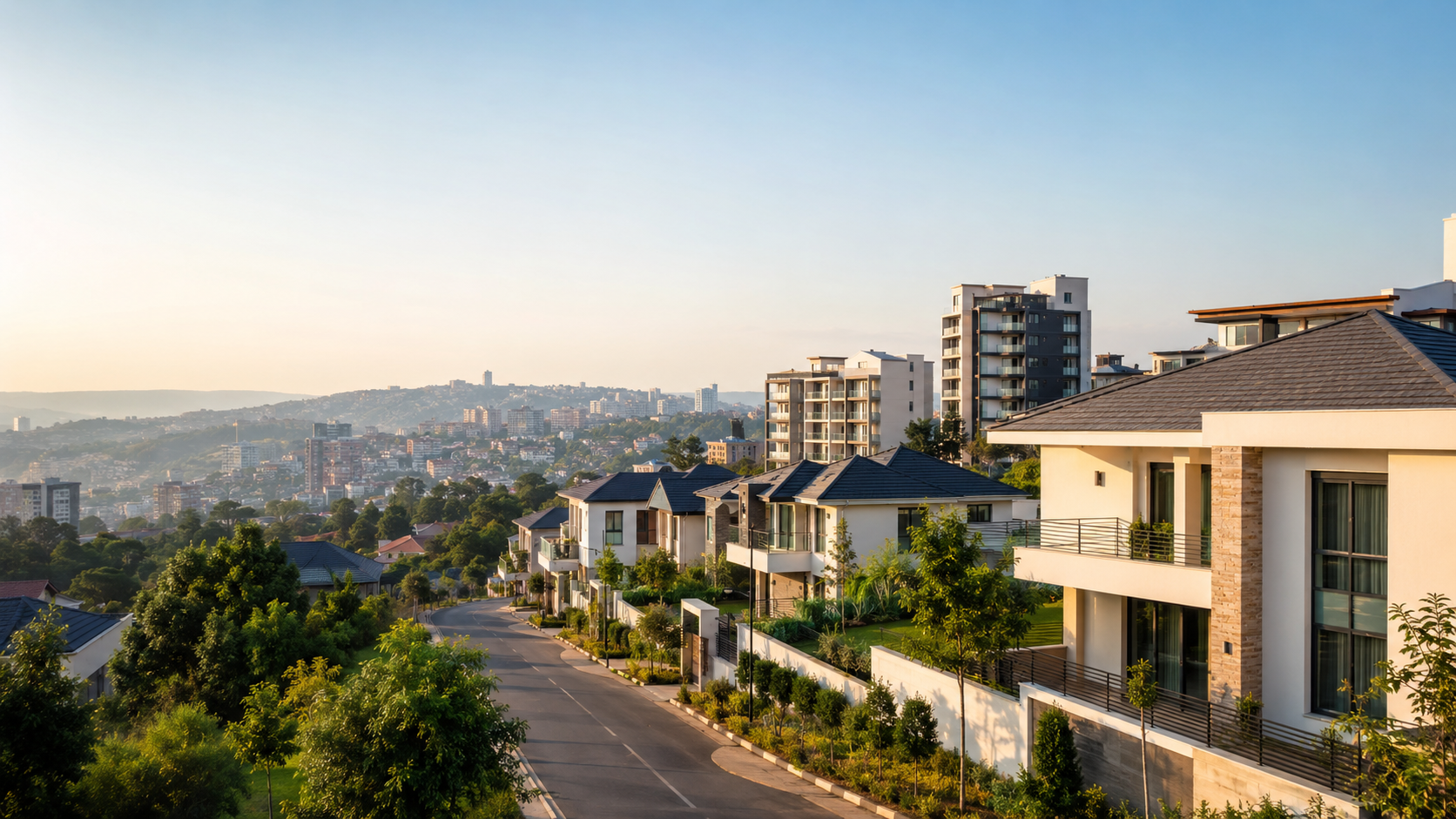
How to Buy Property in Rwanda as a Foreigner: Complete 2026 Guide
Last updated: August 2026. Land laws and procedures are subject to change. Always confirm current requirements with RDB, RLMUA, or a qualified Rwandan lawyer.
Quick answer: Yes. Foreigners can acquire property rights in Rwanda through a registered emphyteutic leasehold rather than freehold ownership of land. The leasehold can be transferable and mortgageable, but the exact duration, permitted use, plot-size conditions, and any investment requirements depend on the property's title, land-use category, location, and proposed use. This guide explains the practical process from confirming eligibility and budget to verifying the title, signing an agreement, and registering the transfer. Always confirm current requirements with RDB, RLMUA, or a qualified Rwandan lawyer before committing funds.
1. Can foreigners buy property in Rwanda?
Yes. Rwanda allows foreign nationals to acquire property rights through registered emphyteutic leasehold rather than direct freehold ownership of land. These rights can be transferable and mortgageable, subject to the title and applicable law. The exact lease duration is not one universal number: it depends on the specific land-use category, title conditions, and any relevant investment approval. Before purchasing, confirm the lease term shown on the title and obtain current advice from RLMUA, RDB, or a qualified Rwandan lawyer. If you want the full legal detail on eligibility, size limits, and land categories before starting the buying process, see Kwanda's companion guide: Foreigners Buying Real Estate in Rwanda: Requirements & Process. The rest of this guide focuses on how to actually go through the buying process.
The 10-step process to buy property in Rwanda as a foreigner
Step 1 Decide what you want to buy
Start by deciding whether you are looking for a house, an apartment, land to build on, or a commercial or investment property. Each has a different process weight: completed houses and apartments are generally the most straightforward for foreign buyers, while land intended for development or larger investment properties may require the RDB investment certificate process. See Kwanda's guides on Kigali house prices and how much money you need to buy a house in Kigali to orient your budget.
Step 2 Confirm your eligibility and the applicable limits
Before searching for a specific property, confirm the rules that apply to you and the specific parcel: the leasehold term, permitted land use, plot size, location, and whether the proposed acquisition or development requires an RDB investment certificate, company structure, or additional approvals. Older buyer guidance commonly refers to a 600 sqm residential threshold, but planning rules and investment requirements can vary by location and intended use. Confirm the position with RDB, RLMUA, the relevant District Land Bureau, or a qualified Rwandan lawyer before making an offer.
Step 3 Set your budget and understand financing
Your budget needs to cover more than the purchase price: transfer tax, registration fees, notary costs, and if financing a deposit and ongoing repayments. Rwandan banks do offer mortgages to foreign buyers, though documentation requirements are typically more extensive than for local buyers. Some foreign and diaspora buyers instead finance through funds arranged in their country of residence. See Kwanda's full breakdown of how much money you actually need to buy a house in Kigali.
Step 4 Find and inspect the property
Whether searching independently or working with an agency, shortlist properties against your budget, intended use, and preferred zone. If you are unable to visit in person, request a thorough video walkthrough and ask specific questions about condition, access, and utilities rather than relying on listing photos alone.
Step 5 Verify the title and zoning before making any offer
This is the single most important step in the entire process. Confirm the sellers identity matches the registered owner, search the property's Unique Parcel Identifier (UPI) to check for encumbrances, and confirm the zoning matches your intended use. Kwanda has a full dedicated guide on this exact process: How to Verify Land Ownership in Rwanda Before Buying Land. Never pay any money before this step is complete.
Step 6 Make an offer and sign the sale agreement
Once you are satisfied with the verification, negotiate terms and put everything in a complete, written sale agreement covering price, payment schedule, and conditions. Verbal agreements or informal deposits offer little protection if a dispute arises later.
Step 7 Complete payment and notarisation
Payment should follow the written schedule in the sale agreement and be linked to defined verification, signing, and registration milestones. Do not make informal or unprotected cash payments. For international transfers, confirm with your bank how funds should be routed, documented, and evidenced for the transaction. Keep records of every payment, agreement, receipt, and transfer instruction.
Step 8 Transfer and register the title
The final registration is handled through the Rwanda Land Management and Use Authority (RLMUA), referencing the property's UPI. Once complete, you receive your registered leasehold title. Budget for transfer tax, the land registration fee, and notary costs as part of this stage confirm current rates directly with the Rwanda Revenue Authority (RRA) and your notary, since these figures can change.
Step 9 If you are buying from abroad
Buying without ever visiting Rwanda is genuinely possible but it requires more deliberate structure than buying in person.
For diaspora and international buyers who cannot be physically present, the process typically involves:
• Remote property viewing via detailed video walkthroughs and photo documentation.
• Independent title verification carried out on your behalf, rather than relying solely on the sellers documents.
• A trusted local representative or licensed agency to liaise with sellers, notaries, and land offices.
• Use a properly drafted and legalised Power of Attorney if you cannot sign in person. Rwanda provides a process for legalising documents from abroad for property transfer or management. Requirements may differ depending on the country where the document is signed and the details of the transaction, so confirm the current process with Irembo, the relevant Rwandan embassy or high commission, your notary, and a qualified lawyer before appointing a representative.
• Structured international payment transfers, documented clearly for the transaction.
• Receiving your registered title and, if applicable, arranging property management or rental services remotely.
For more detail on remote buying, see Kwanda's guide on how foreigners can safely buy land in Rwanda step by step.
Step 10 After purchase
Once you own the property, ongoing responsibilities include annual property tax obligations, maintenance, and if you intend to rent it out arranging property management, which is especially relevant for owners who do not live in Rwanda year-round.
Frequently Asked Questions
Q: Can I buy property in Rwanda while living abroad?
Yes. Many foreign and diaspora buyers complete purchases in Rwanda without visiting in person, using remote property viewings, independent title verification, a trusted local representative, and structured international payments. See Step 9 above for the full process, and Kwanda's dedicated guide on how foreigners can safely buy land in Rwanda.
Q: How long does it take to buy property in Rwanda?
Timelines vary by transaction complexity, but straightforward purchases with a completed property and clean title have been reported to take as little as a few weeks for the registration stage itself, while the full process including search, verification, and closing more commonly takes several weeks to a few months. Buying from abroad typically adds time for remote coordination. Always treat any specific timeline as an estimate rather than a guarantee, since individual transactions vary.
Q: What is the size limit for a foreigner buying residential land in Rwanda?
The applicable size limit depends on the current residential land and planning rules for the specific location. Older guidance commonly references 600 sqm, while newer planning standards may apply smaller plot sizes in some areas. Confirm the applicable limit for your specific property with RDB, the relevant land authority, or a qualified Rwandan lawyer before purchasing. See Kwanda's companion legal guide: Foreigners Buying Real Estate in Rwanda.
Q: Can foreigners get a mortgage in Rwanda?
Yes, in principle. Leasehold titles are mortgageable, and several Rwandan banks offer mortgage products to foreign buyers, though documentation requirements are typically more extensive than for local buyers. Some foreign and diaspora buyers instead finance through funds arranged in their country of residence.
Q: What is the first thing I should verify before buying?
Verify the sellers identity against the registered owner and check the property's title and any encumbrances before making any offer or payment. See Kwanda's dedicated guide: How to Verify Land Ownership in Rwanda Before Buying Land.
Q: Do I need to be in Rwanda to complete the purchase?
Not necessarily. Many transactions are completed with a trusted local representative or licensed agency handling in-person steps on your behalf, alongside remote verification and structured payment arrangements. Requirements around remote signing and Power of Attorney can change, so confirm current rules before relying on any specific arrangement.
Final checklist before purchasing
|
☐ |
Confirmed whether the property falls within standard foreign buyer size limits, or prepared an RDB investment plan if not |
|
☐ |
Verified the seller\u2019s identity matches the registered owner |
|
☐ |
Checked the UPI and confirmed the title is free of encumbrances |
|
☐ |
Confirmed the zoning matches your intended use |
|
☐ |
Reviewed a written, complete sale agreement before any payment |
|
☐ |
Budgeted for transfer tax, registration fees, and notary costs \u2014 not just the purchase price |
|
☐ |
Considered financing options, whether a Rwandan mortgage or funds from abroad |
|
☐ |
Arranged remote verification support and confirmed current Power of Attorney rules if buying from abroad |
Conclusion
Buying property in Rwanda as a foreigner is a well-established, transparent process the framework is clear and the leasehold system is secure. The steps that matter most are confirming your eligibility early, verifying the title thoroughly before paying anything, and budgeting for the full cost of the transaction, not just the purchase price. For the underlying legal eligibility questions this guide references, see Kwanda's companion article: Foreigners Buying Real Estate in Rwanda: Requirements & Process.
For personalised guidance through this process, contact Kwanda Real Estate or browse current listings.
Ready to start the process? Kwanda Real Estate guides foreign and diaspora buyers through every step of buying property in Rwanda, remotely or in person. WhatsApp us: +250 788 370 360 kwandarealestate.com
⚠️ Educational only not legal advice. Rwanda's land laws, size limits, and procedures are subject to change and interpretation by relevant authorities. Always confirm current requirements with the Rwanda Development Board, RLMUA, or a qualified Rwandan lawyer before any purchase.