
How Much Money Do You Need to Buy a House in Kigali?

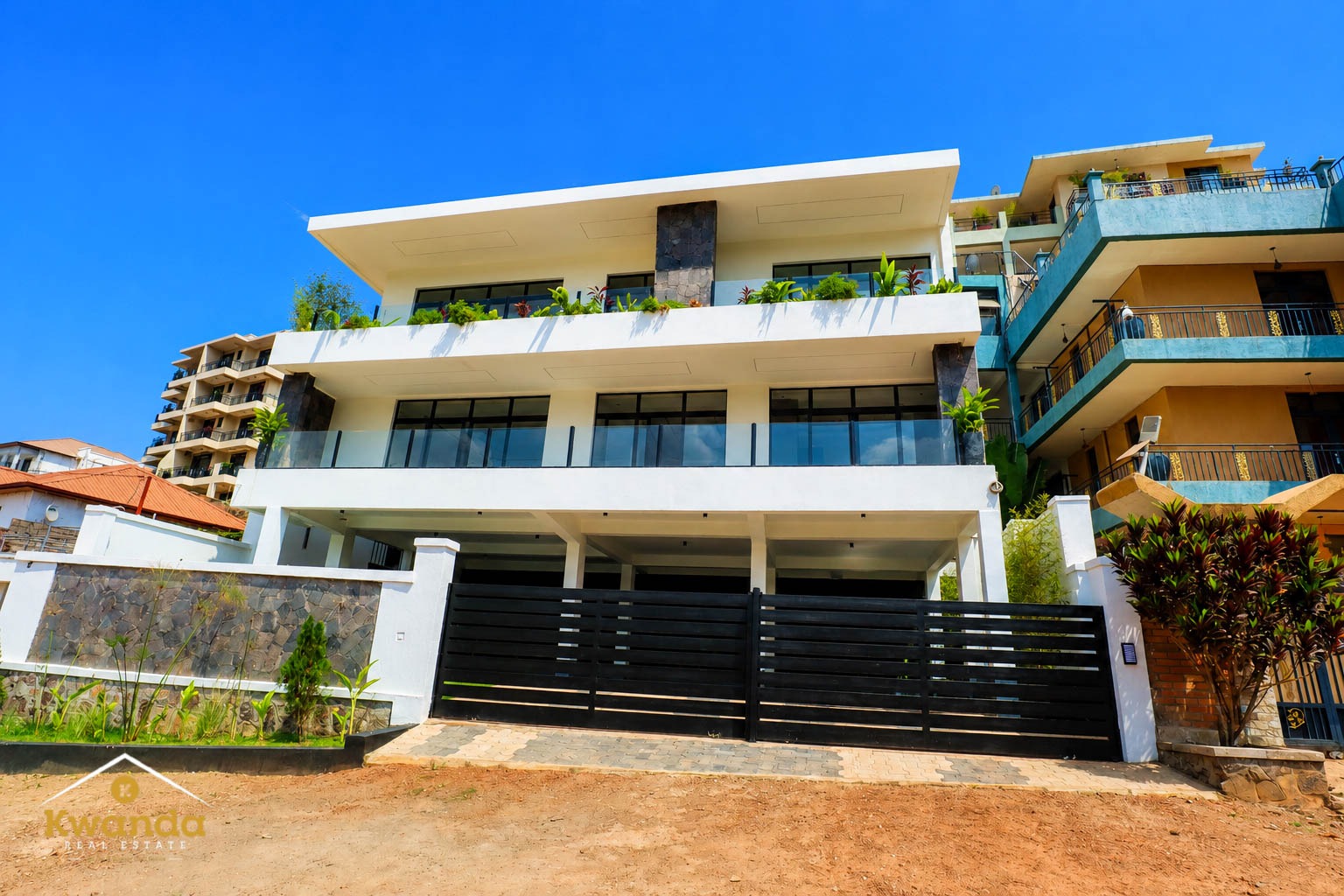
How Much Does It Cost to Buy a House in Kigali in 2026?
Last updated: August 2026. All prices below are indicative asking-price ranges based on current market observations not registered transaction prices or guaranteed values. Get a property-specific valuation before making any decision.
One of the first questions buyers ask is simple: what does a house in Kigali actually cost? The answer depends heavily on location, property type, plot size, condition, and whether you are comparing an apartment, a standalone home, or land for self-build.
In this guide, "house" means a standalone residential home unless we specifically refer to an apartment. Apartment prices can differ significantly because of unit size, building quality, amenities, service charges, and whether the development is off-plan. This guide gives you real, current asking-price ranges by property type and by neighbourhood, so you can work out what is realistic for your budget before you start looking at specific listings.
Quick answer: How much does a house cost in Kigali in 2026? In 2026, standalone homes in Kigali commonly start from about RWF 40 million in more accessible or developing areas and can exceed RWF 700 million in premium neighbourhoods. As a broad guide, 2-bedroom homes typically range from RWF 35M to RWF 150M+, while 3-bedroom homes range from approximately RWF 60M to RWF 250M+, depending on location, land size, finishes, access road, title status, and property condition.
Kigali house and land prices at a glance
|
Property type |
Lower-entry areas |
Mid-market areas |
Premium areas |
|
2-bedroom standalone house |
RWF 35M–70M |
RWF 70M–150M |
RWF 150M+ |
|
3-bedroom standalone house |
RWF 60M–120M |
RWF 120M–250M |
RWF 250M+ |
|
Residential land |
RWF 10,000–30,000/sqm |
RWF 30,000–80,000/sqm |
RWF 150,000+/sqm in prime pockets |
These are indicative asking-price ranges, not guaranteed sale prices. The exact neighbourhood, road, title, utilities, plot dimensions, zoning, and building quality can materially change value.
What is the average price of a house in Kigali?
A citywide average can be misleading because Kigali’s residential market includes low-entry developing zones, established middle-market neighbourhoods, and high-value premium enclaves.
As a general starting point across the whole city, standalone houses for sale in Kigali typically range from approximately RWF 40 million (roughly $28,000) at the accessible end to RWF 700 million and above ($500,000+) in premium zones. Prices can differ several times over between emerging and premium Kigali locations, even for homes with the same bedroom count. The breakdowns below by bedroom count and by neighbourhood will get you much closer to what is realistic for your specific situation.
How much is a 2-bedroom standalone house in Kigali?
|
Entry |
RWF 35M-70M (~$25,000-$50,000) |
Nyamirambo, Kanombe, and similar accessible zones. Condition and exact micro-location matter as much as the area name. |
|
Mid-market |
RWF 70M-150M (~$50,000-$107,000) |
Kimironko, Kibagabaga, Kicukiro, Gacuriro. Remera and Gishushu properties can fall in this band or above depending on the specific street and finish. |
|
Premium |
RWF 150M and up often well above for larger or newer builds |
Kacyiru, Kimihurura, Nyarutarama. A 2-bedroom standalone house in these areas is uncommon; RWF 150M typically represents a smaller or older property rather than a typical premium home. |
How much is a 2-bedroom apartment in Kigali?
Apartment pricing follows a different logic to standalone houses unit size, building amenities, service charges, and off-plan vs completed status all move the price significantly.
Off-plan 2-bedroom apartments in developing zones like Gishushu and Kibagabaga have been listed from approximately RWF 55 million upward. At the premium end, selected 2-bedroom units in established Nyarutarama developments have been marketed at approximately $270,400–$292,800. These are development-specific asking prices, not a citywide apartment average, and availability and pricing can change.
How much is a 3-bedroom standalone house in Kigali?
|
Entry |
RWF 60M-120M (~$43,000-$86,000) |
Rusororo, Kanombe, Kabeza, developing Kicukiro zones \u2014 condition and road access vary significantly within these areas. |
|
Mid-market |
RWF 120M-250M (~$86,000-$179,000) |
Kimironko, Remera, Gacuriro, Kibagabaga |
|
Premium |
RWF 250M and up |
Kacyiru, Kimihurura, Nyarutarama, Kiyovu \u2014 larger or better-finished properties in these areas often exceed this range considerably. |
3-bedroom homes are a popular category for many family buyers, and prices vary widely because plot size, finishes, and the exact location within a neighbourhood matter enormously.
How much does residential land cost in Kigali?
Land pricing in Kigali varies enormously by location, road access, and planning status comparing price per square metre is the most reliable way to compare areas fairly.
|
Area type |
Indicative land range |
Typical buyer consideration |
|
Emerging or peripheral areas |
RWF 10,000-30,000 per sqm |
Lower entry point; verify road access, utilities, and planning status before buying |
|
Established mid-market areas |
RWF 30,000-80,000 per sqm |
Better access and established demand; still verify zoning and services |
|
Prime central areas |
Quote by valuation / plot |
Exact road frontage, zoning, plot size, and redevelopment potential drive price no single per-sqm figure applies reliably |
Centrally located plots in areas like Nyarutarama, Kacyiru, and Kimihurura can run from tens of millions to hundreds of millions of Rwandan francs depending on exact frontage, zoning, and plot size a professional valuation is the only reliable way to price a specific prime plot. For the full breakdown of what determines land value beyond location, see Kwanda’s 10 factors that determine land value in Rwanda.
What can I actually get at each budget level?
Bedroom count alone does not tell the full story condition, plot size, and exact location shift what a given budget buys. Here is a broader view by total budget:
|
Budget |
What buyers may find |
Typical locations |
|
Under RWF 60M |
Basic 3-bedroom home, smaller plot, possible repairs needed, or an emerging location |
Kanombe, Rusororo |
|
RWF 60M-100M |
Decent 3-bedroom family home, depending on condition and exact location |
Kanombe, Kabeza, Kinyinya, Gacuriro |
|
RWF 100M-200M |
Good-finish 3-4-bedroom home in a solid residential area |
Kimironko, Kibagabaga, Gacuriro |
|
RWF 200M-400M |
Larger or better-finished house, often with stronger rental or resale appeal |
Kacyiru, Kimihurura, Remera |
|
RWF 400M-700M |
Executive or premium house |
Kacyiru, Gishushu, Kiyovu |
|
Above RWF 700M |
Luxury villa or high-spec secure property |
Nyarutarama, Kimihurura, Kiyovu |
These bands are a general guide, not a guarantee condition, exact plot, and finish level move individual properties above or below their typical band.
What affects house prices in Kigali?
Beyond neighbourhood and bedroom count, several specific factors move the price of an individual property up or down:
• Exact neighbourhood and street, not only the sector name
• Land size and usable topography
• Tarmac-road access and drainage
• Title documents and land-use zoning always verify at the plot level
• Building age, finishes, and maintenance condition
• Water, power, internet, and security infrastructure
• Proximity to schools, offices, the airport, and commercial centres
• Rental demand and resale liquidity
For the complete framework on how these factors interact, see Kwanda’s 10 factors that determine land value in Rwanda and what makes a location prime for investment.
Which Kigali neighbourhoods are more accessible?
|
Kimironko |
Accessible – Mid |
Established, good market access, growing infrastructure. Prices vary significantly by plot and road access. |
|
Remera |
Accessible – Mid |
Good transport links, mixed residential and commercial. Wide price range within the area. |
|
Nyamirambo |
Accessible |
Historic, dense, central but lower-cost |
|
Rusororo |
Lower-entry |
Emerging zone, lower entry price, developing infrastructure |
|
Kanombe |
Accessible – Mid |
Near the airport corridor, growing interest |
|
Kabeza |
Lower-entry |
Developing area with new plot availability |
Prices vary significantly within each area depending on plot size, road access, finishes, and proximity to commercial centres. Always inspect the specific property and verify title and zoning information before purchasing.
Which neighbourhoods are the most expensive?
|
Nyarutarama |
Most expensive |
Widely associated with protected low-density residential planning in key pockets, diplomatic and NGO tenant base, top schools nearby. Verify zoning at plot level. |
|
Kimihurura |
Premium |
Central, near Kigali Heights, strong commercial and residential mix |
|
Kacyiru |
Premium |
Government and diplomatic district, strong infrastructure |
|
Kiyovu |
Premium |
Historic upscale area, close to CBD |
These neighbourhoods command premium prices for consistent reasons: established infrastructure, low-density residential planning in key pockets (notably in Nyarutarama), proximity to embassies and NGO headquarters, and top international schools. R1 zoning is designed for low-density, single-family development buyers should always verify the zoning designation of the exact plot with the Rwanda Land Management and Use Authority (RLMUA) before making a purchase. For the full explanation, see Kwanda\u2019s guide to what makes a location prime in Rwanda and Residential Zoning Guide.
How we compiled these ranges
Kwanda reviewed active asking prices, recent buyer enquiries, and publicly available listings across Kigali between April and August 2026. Prices are asking-price indicators, not registered transaction prices. Final sale prices may be lower or higher depending on title status, road access, plot size, property condition, utilities, zoning, payment terms, and negotiation.
KEY TAKEAWAYS
• There is no single "average" house price in Kigali that is genuinely useful. Prices can differ several times over between emerging and premium locations, even for homes with the same bedroom count.
• 2-bedroom standalone houses range from approximately RWF 35M in accessible areas to RWF 150M+ in premium zones. 3-bedroom houses range from approximately RWF 60M to RWF 250M+.
• Apartments follow a different pricing logic than standalone houses premium 2-bedroom apartments in developments like those in Nyarutarama can exceed $270,000, well above general house ranges.
• Land prices are best compared per square metre from roughly RWF 10,000–30,000/sqm in emerging zones to RWF 150,000–300,000+/sqm in premium pockets like Nyarutarama.
• Nyarutarama, Kimihurura, Kacyiru, and Kiyovu are Kigali’s most expensive residential zones driven by zoning, infrastructure, schools, and sustained institutional demand. Always verify zoning at the plot level.
• All figures are indicative asking-price ranges based on current market observations, not registered transaction prices or guaranteed values. Get a property-specific valuation before any purchase decision.
Conclusion
Kigali’s property market genuinely has something for every budget the challenge is knowing which range applies to which part of the city, and to which type of property. A 3-bedroom house in Rusororo and a 3-bedroom house in Nyarutarama can differ substantially in price, even though both listings might simply say "3-bedroom house, Kigali."
The most reliable way to know what you can actually afford, and where, is to work with a team that tracks current pricing across all these zones not estimates from old listings.
Need a current Kigali property price check? Two nearby properties can have very different values because of road access, land size, title status, zoning, finishes, and condition. Kwanda Real Estate can help you compare current verified options across Kigali based on your target budget and preferred neighbourhood. WhatsApp us: +250 788 370 360 kwandarealestate.com
Frequently Asked Questions
Q: What is the average price of a house in Kigali?
There is no single meaningful average because prices vary substantially by neighbourhood from roughly RWF 40 million in accessible areas to RWF 700 million or more in premium zones. A more useful approach is to look at the price range for your specific target neighbourhood, property type, and bedroom count, which this guide breaks down in detail.
Q: How much is a 2-bedroom house in Kigali?
For a standalone house: approximately RWF 35–70 million in accessible areas like Kimironko or Remera, RWF 70–150 million in mid-market areas like Kibagabaga or Gacuriro, and RWF 150 million or more in premium zones like Kacyiru or Kimihurura. For apartments specifically, prices differ significantly off-plan units in developing zones start around RWF 55 million, while premium apartments in established Nyarutarama developments can exceed $270,000.
Q: How much is a 3-bedroom house in Kigali?
Approximately RWF 60–120 million in accessible areas like Rusororo or Kanombe, RWF 120–250 million in mid-market areas like Kimironko or Gacuriro, and RWF 250 million or more in premium zones like Nyarutarama or Kiyovu. 3-bedroom properties show the widest price variation of any bedroom count due to differences in plot size and finishes.
Q: How much does land cost in Kigali?
Land prices are best compared per square metre. Emerging outer zones like Rusororo run roughly RWF 10,000–30,000/sqm, developing zones RWF 30,000–80,000/sqm, established locations RWF 80,000–150,000/sqm, and premium pockets like Nyarutarama RWF 150,000–300,000+/sqm. See the full 10 factors that determine land value in Rwanda for what drives these differences.
Q: Which Kigali neighbourhoods are the most accessible to buy in?
Kimironko, Remera, Nyamirambo, Rusororo, Kanombe, and Kabeza currently offer more accessible entry points for buyers, with Rusororo and Kabeza typically the clearest lower-entry options.
Q: Which Kigali neighbourhoods are the most expensive?
Nyarutarama is consistently Kigali’s most expensive residential zone, followed by Kimihurura, Kacyiru, and Kiyovu. These areas combine low-density residential planning in key pockets, proximity to embassies and NGO offices, top schools, and established infrastructure factors that sustain premium pricing over time. Always verify the specific zoning of any plot before purchasing.
Share
Related Posts

What Every Buyer Needs to Know About Rwanda’s Property Taxes

