
Can Foreigners Own Land in Rwanda? The Definitive Guide to Title Deeds.

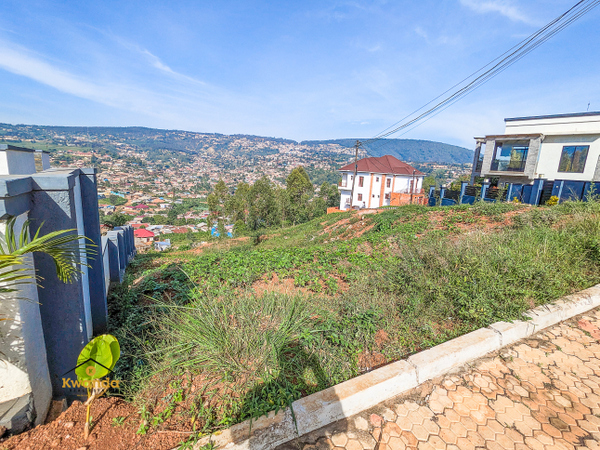
"Can Foreigners Own Land in Rwanda?" is likely the first question prospective investors ask before deploying capital. As global interest in East Africa rises, understanding the nuances within land laws in Rwanda becomes critical for securing assets legally. This comprehensive guide from Kwanda Real Estate breaks down the 2021 Land Law, leasehold versus freehold distinctions, and the exact steps for title transfer. In this article, Can Foreigners Own Land in Rwanda? The Definitive Guide to Title Deeds. will serve as your roadmap to navigating property rights. You will learn about the Rwandan real estate market for investors, the distinction between emphyteutic leases and freehold titles, and how to execute a secure transaction. For a broader overview of the market, consult our analysis on key insights into Rwanda's real estate market and verify legal frameworks via the Rwanda Governance Board.
Understanding the Legal Framework for Land in Rwanda
The legal basis for owning Land in Rwanda is rooted in the Constitution of 2003 and the subsequent Law Governing Land. Unlike many jurisdictions where foreigners face absolute bans, Rwanda offers a structured, transparent system for international ownership, primarily through long-term leaseholds. To navigate this effectively, investors must understand the specific statutes that govern buying land as a foreigner in Rwanda. For detailed statutory context, referencing the Rwanda Housing Authority is essential for verifying current housing policies, while our internal guide on navigating Rwanda's real estate laws offers a practical breakdown for buyers.
Historically, Rwanda operated under customary law, but the Land Tenure Regularisation Programme has since formalized ownership. This modernization ensures that every parcel of land has a unique specialized title, making it safer for foreign nationals wanting to understand property ownership laws in Rwanda. According to reports by the World Bank - Rwanda, this digitization has significantly improved the ease of doing business. If you are part of the diaspora, we recommend reading our specific advice on real estate advice for Rwandan diaspora to understand how these historical shifts affect your investment rights.
The 2021 Land Law Update
The most critical piece of legislation governing Land in Rwanda is the Law N° 27/2021 of 10/06/2021 Governing Land. This law explicitly states that foreigners have the same rights to invest in land as nationals, provided they adhere to the designated land use plans. This equal treatment is a cornerstone of the Rwanda Development Board (RDB) investment incentives designed to attract capital. For a deeper dive into how these laws affect residential buying, review our article on residential properties in Kigali.
However, the law distinguishes between "ownership" (freehold) and "emphyteutic lease" (leasehold). Most land for sale in Rwanda is held under a renewable leasehold title, typically for 99 years for residential purposes. Information from the Ministry of Infrastructure confirms that these leases are secure and mortgageable. For those confused by the longevity of these leases, our educational post on the 99-year myth explains why this system is more secure than many investors realise.
Freehold vs. Leasehold: What Foreigners Must Know
When researching Land in Rwanda, it is imperative to distinguish between freehold and leasehold titles. Freehold entitles the owner to indefinite ownership, whereas leasehold grants rights for a specific period, usually between 20 to 99 years. The National Institute of Statistics of Rwanda (NISR) provides data showing that the majority of registered land falls under the leasehold system. To understand how this impacts value, read our guide on how to evaluate a property's worth.
Freehold titles are generally reserved for Rwandans, but foreigners can acquire them under specific "Special Economic Zone" status or through co-ownership in condominiums. The Rwandan real estate market for investors heavily incentivises vertical living, where freehold titles are easier to obtain for strata lots. According to the City of Kigali Official Website, high-density residential zones are prioritized for such developments. Investors looking for apartments should explore our listings and advice on apartments for sale in Kigali.
Leasehold titles are the standard for foreigners buying residential homes or agricultural land. These leases are guaranteed by the state and are renewable, offering security comparable to freehold in other jurisdictions. Legal frameworks outlined by the Rwanda Governance Board protect leaseholders against arbitrary seizure. For clarity on renewal processes, we have prepared a detailed resource on what happens after 99 years.
Specific Requirements for Foreign Buyers
To purchase Land in Rwanda, a foreigner does not necessarily need a resident visa, but having a valid passport is mandatory. The transaction requires a Unique Parcel Identification Number (UPI) check to verify ownership history. Verification can be cross-referenced through the Rwanda Land Management and Use Authority (now part of the National Land Authority). Before signing any contracts, ensure you have read our article on 5 questions every buyer should ask to avoid common pitfalls.
Additionally, foreigners looking to develop land must present a business plan if the land exceeds a certain size or is intended for commercial use. This aligns with the national goal of productive land use monitored by the Rwanda Development Board. If you are planning a commercial project, our insights on commercial plots in Rwanda will be invaluable for your planning phase.
The Purchasing Process: A Step-by-Step Guide
Securing secure land buying in Rwanda for foreigners involves a systematic process that prioritizes transparency. The first step is conducting a title search at the land registry to ensure the property is free of encumbrances or liens. This due diligence is emphasized by legal experts at Law.com, a reputable legal database. For a localized checklist, refer to our step-by-step guide to buying property in Kigali.
Once the title is clear, a sale agreement is drafted, typically in English or French and Kinyarwanda. This contract must be notarized by a public notary or a land officer at the sector level. The Rwanda Governance Board oversees the standards for these public services. To understand the importance of this paperwork, read our article on why title deeds matter.
Transfer of Rights and Payment
The actual transfer of the title deed happens after the payment has been verified. In Rwanda, cash transactions for real estate are discouraged; bank transfers provide a traceable record essential for the Assistance with property transfer Rwanda process. Financial transparency is monitored by the National Bank of Rwanda, ensuring the legitimacy of large funds entering the country. For advice on handling international transfers, see our guide on how to buy property from abroad.
Upon submission of the sale agreement and proof of identity to the land notary, the file is processed for the issuance of a new title deed. This process is remarkably fast compared to regional peers, often taking less than a month. Comparative data from the African Development Bank highlights Rwanda's efficiency in property registration. For those interested in speed, our article on real estate agencies in Rwanda explains how professionals can expedite this workflow.
Investment Opportunities and Zoning Laws
Investing in Land in Rwanda requires strict adherence to the Kigali Master Plan and district land use plans. The government strictly enforces zoning regulations to ensure organized urban development. You can view zoning maps on the City of Kigali Official Website to verify if a plot is residential (R1, R2, R3) or commercial. We have broken down these technical codes in our Kigali zoning series to help you choose the right location.
For the Rwandan Diaspora seeking to invest in property from abroad, high-yield opportunities often lie in mixed-use developments and affordable housing projects. The government offers incentives for developers addressing the housing shortage. Reports from UN-Habitat underscore the critical need for urban housing in East Africa. Learn more about these opportunities in our post on affordable housing initiatives in Rwanda.
Condominiums and Sectional Titles
The 2010 Law on Condominium Property was a game-changer for High ROI properties Rwanda, allowing foreigners to own specific units within a building under a freehold-like arrangement. This is distinct from owning the land itself, making it an attractive option for international investors. Legal analysis from LexisNexis suggests that strata title laws boost foreign direct investment in real estate. If you are considering this route, explore our findings on benefits of investing in off-plan property.
This legal structure supports the growing demand for luxury real estate in Rwanda, particularly in upscale neighbourhoods like Nyarutarama and Kiyovu. These areas are designated for high-density development under the master plan. Urban planning data from the Rwanda Housing Authority confirms the focus on vertical expansion. For a look at premium options, check out our feature on luxury homes in Nyarutarama.
Taxes, Fees, and Financial Considerations
When acquiring Land in Rwanda, investors must account for transfer fees and annual property taxes. The transfer fee is a fixed percentage of the property value, typically borne by the buyer. Tax regulations are administered by the Rwanda Revenue Authority (RRA), which provides clear guidelines on applicable rates. To avoid surprises, we strongly suggest reading our detailed breakdown of what every buyer needs to know about property taxes.
Immovable property tax is levied annually based on the market value of the property and the land use. Residential homes typically attract a lower rate compared to commercial properties or undeveloped land. The World Bank notes that Rwanda's tax system is one of the most streamlined in Africa. For strategies on managing these costs, refer to our article on should you buy or rent in Rwanda.
Mortgage Access for Foreigners
Accessing local financing to buy Land in Rwanda can be challenging for non-residents, but it is not impossible. Some international banks and local institutions offer mortgage products specifically for the diaspora. The Central Bank of Rwanda regulates these lending practices to ensure stability. For detailed financial advice, consult our guide on mortgage advice for property buyers Rwanda.
Interest rates in Rwanda may differ significantly from those in Europe or North America, often affecting the overall return on investment. It is crucial to calculate your cash flow accurately before committing to a loan. Investment analysis from the African Development Bank provides excellent context on regional interest rate trends. We also offer insights on profitable real estate opportunities Kigali to help you balance debt and income.
Risks and Due Diligence
While the system is transparent, the risk of Real estate scams in Rwanda still exists, particularly involving double ownership or forged titles. Thorough due diligence is non-negotiable. Always verify the seller’s identity and the land title through the official USSD mobile system or land registry. Security alerts from the Rwanda National Police often highlight common fraud tactics. Protect yourself by reading our guide on avoiding real estate scams in Rwanda.
Another risk involves buying land in zones designated for public infrastructure or wetlands, where construction is prohibited. The Rwanda Environment Management Authority (REMA) strictly enforces environmental protection laws. Ignorance of these zones can lead to demolition without compensation. Ensure you understand the restrictions by reviewing our article on
Follow Us
Related Posts

What Every Buyer Needs to Know About Rwanda’s Property Taxes

